Xiaomi Redmi 17C
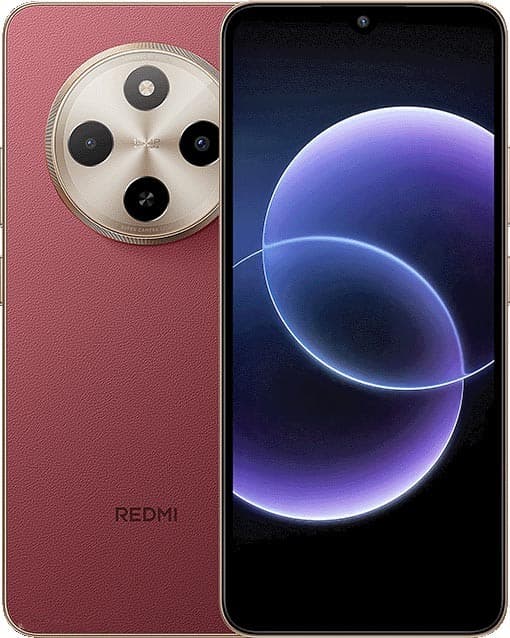
Price Not Announced Yet
Official and unofficial prices in Bangladesh will be published immediately upon market release.
Redmi 17C Variant Price Matrix in Bangladesh
BDT (৳)| Storage & RAM Variant | Official BD Price | Unofficial Market Price | Market Status |
|---|---|---|---|
| 64GB / 4GB RAM | TBA | TBA | Upcoming / TBA |
| 128GB / 4GB RAM | TBA | TBA | Upcoming / TBA |
Key Hardware Highlights
Fast overview of essential hardware specifications.
6.88", IPS LCD, 120Hz
Up to 450 nits (typ), 600 nits (HBM)
Mediatek Helio G81 Ultra (12 nm)
Mali-G52 MC2
13 MP, f/2.2, 25mm (wide)
Video: 1080p@30fps
5160 mAh • 18W wired
PD
4GB RAM / 64GB
Card Slot: microSDXC (dedicated slot)
5 MP
Video: 1080p@30fps
Android 16 (HyperOS 3)
Smooth Experience
206g
Nano-SIM + Nano-SIM
Full Technical Specifications
Complete hardware breakdown, performance scores, and features verified by MuthoPhoneBD.
| Network | |
|---|---|
| Technology | GSM / CDMA / HSPA / LTE |
| 2G Bands | GSM 850 / 900 / 1800 / 1900, CDMA 800 |
| 3G Bands | HSDPA 850 / 900 / 2100 |
| 4G Bands | 1, 3, 5, 8, 34, 38, 39, 40, 41 |
| Speed | HSPA, LTE |
| Launch & Availability | |
|---|---|
| Announced | June 23, 2026 |
| Status | Available |
| Release Date in BD | June 23, 2026 |
| Body & Build | |
|---|---|
| Dimensions | 171.9 x 77.8 x 8.2 mm |
| Weight | 206 g |
| Build Material | Glass front (Glass), Back (plastic back or silicone polymer back (eco leather)), Frame (plastic frame) |
| SIM Card | Nano-SIM + Nano-SIM |
| Display | |
|---|---|
| Display Type | IPS LCD |
| Screen Size | 6.88 inches (~84% screen-to-body ratio, 112.4 cm²) |
| Resolution | 720 x 1640 pixels (~260 ppi density) |
| Refresh Rate | 120 Hz |
| Peak Brightness | 450 nits (typ), 600 nits (HBM) |
| Platform & Performance | |
|---|---|
| Operating System | Android 16, HyperOS 3 |
| Chipset (SoC) | Mediatek Helio G81 Ultra (12 nm) |
| CPU (Processor) | Octa-core (2x2.0 GHz Cortex-A75 & 6x1.8 GHz Cortex-A55) |
| GPU (Graphics) | Mali-G52 MC2 |
| Memory & Storage | |
|---|---|
| Card Slot (MicroSD) | microSDXC (dedicated slot) |
| Internal Storage & RAM | 64GB 4GB RAM, 128GB 4GB RAM |
| Main Camera | |
|---|---|
| Camera Modules | 13 MP, f/2.2, 25mm (wide) |
| Camera Features | LED flash |
| Video Recording | 1080p@30fps |
| Selfie Camera | |
|---|---|
| Selfie Sensor Modules | 5 MP |
| Selfie Video Recording | 1080p@30fps |
| Audio & Sound | |
|---|---|
| Loudspeaker | Yes |
| 3.5mm Headphone Jack | Yes |
| Connectivity & Sensors | |
|---|---|
| WLAN (Wi-Fi) | Wi-Fi 802.11 a/b/g/n/ac, dual-band |
| Bluetooth | 5.4, A2DP, LE |
| GPS / Positioning | GPS, GLONASS, GALILEO, BDS |
| NFC | No |
| FM Radio | Unspecified |
| USB Port | USB Type-C 2.0 |
| Sensors | Fingerprint (side-mounted), accelerometer, compass, Virtual proximity sensing |
| Battery & Charging | |
|---|---|
| Battery Type & Capacity | 5160 mAh |
| Fast Charging | 18W wired, PD |
| Miscellaneous | |
|---|---|
| Available Colors | Black, Red, Light blue |
Should You Buy Redmi 17C? (Pros & Cons)
Objective editorial breakdown of key advantages and trade-offs.
Reasons to Buy
Key Strengths & Advantages- Smooth 120Hz refresh rate on a large 6.88-inch display
- Substantial 5160 mAh battery with 18W wired charging support
- Out-of-the-box Android 16 with HyperOS 3 interface
- Dedicated microSDXC slot for easy storage expansion
- Includes a side-mounted fingerprint sensor and 3.5mm audio jack
Reasons to Avoid
Trade-offs & Potential Drawbacks- Entry-level HD+ display resolution (720 x 1640 pixels)
- Limited to 4G LTE network connectivity
- Modest camera system featuring a 13 MP main and 5 MP front sensor
- Lacks NFC functionality
Xiaomi Redmi 17C In-Depth Overview & Features
Detailed analysis of design, performance, battery life, camera capabilities, and value for money.
The Xiaomi Redmi 17C is an entry-level smartphone designed for budget-conscious users who want modern software features and a large, fluid display. Driven by the MediaTek Helio G81 Ultra processor and running on Android 16 with HyperOS 3, this device balances everyday reliability with practical hardware at an accessible price point.
Fluid 120Hz Display The substantial 6.88-inch IPS LCD panel offers an ultra-smooth visual experience thanks to its high 120Hz refresh rate. With peak brightness reaching up to 600 nits, reading and navigating menus remains comfortable across various lighting environments.
Reliable Battery Life Powered by a large 5160 mAh battery, the device easily supports extended daily usage routines. It supports 18W wired Power Delivery (PD) charging via USB Type-C, providing convenient power replenishment.
Modern OS and Expandable Memory Running the latest Android 16 paired with HyperOS 3, the phone ensures an up-to-date software environment. It also features a dedicated microSDXC card slot alongside dual SIM support, making storage expansion simple without compromising connectivity.
Who is this for? / Should you buy it? The Xiaomi Redmi 17C is tailored for students, basic smartphone users, or anyone looking for an affordable secondary device. If your priority is a large screen with a fast refresh rate, long-lasting battery life, and modern software, this phone offers great functional value for its entry-level hardware class.
Compare with Top Competitors
See how the Xiaomi Redmi 17C stacks up against similar alternatives in Bangladesh.
Redmi 17C
K90 Max
৳59,999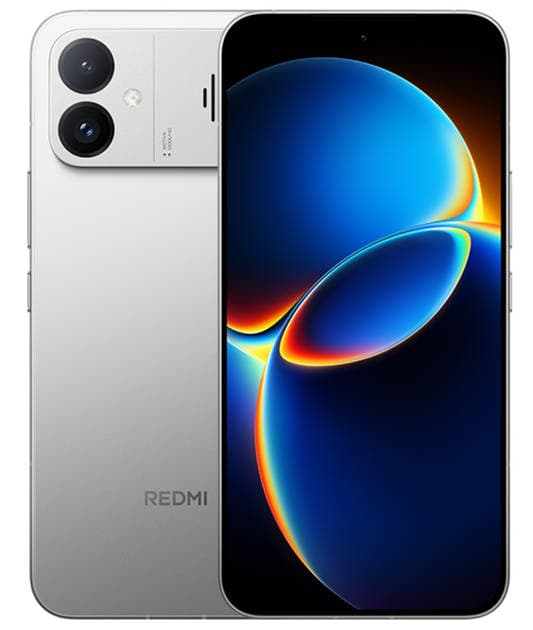
Redmi 17C
17T
৳77,599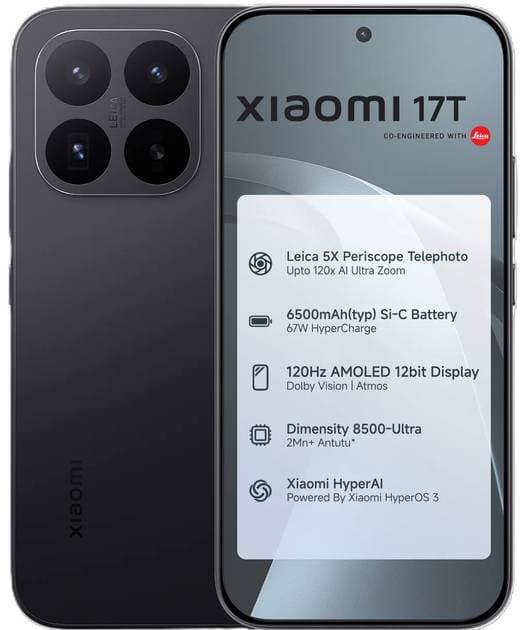
Redmi 17C
17T Pro
৳76,500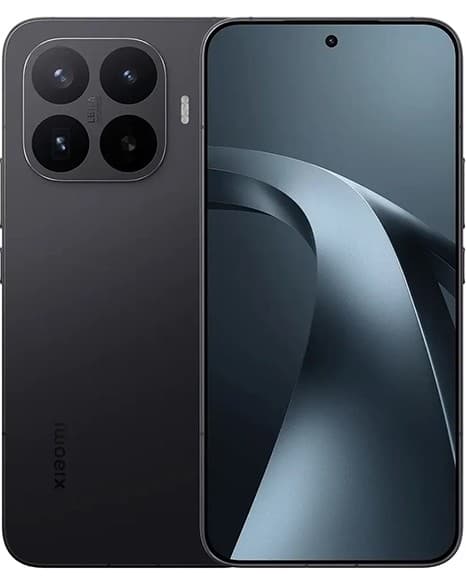
Redmi 17C
Redmi Note 13 Pro+
৳49,000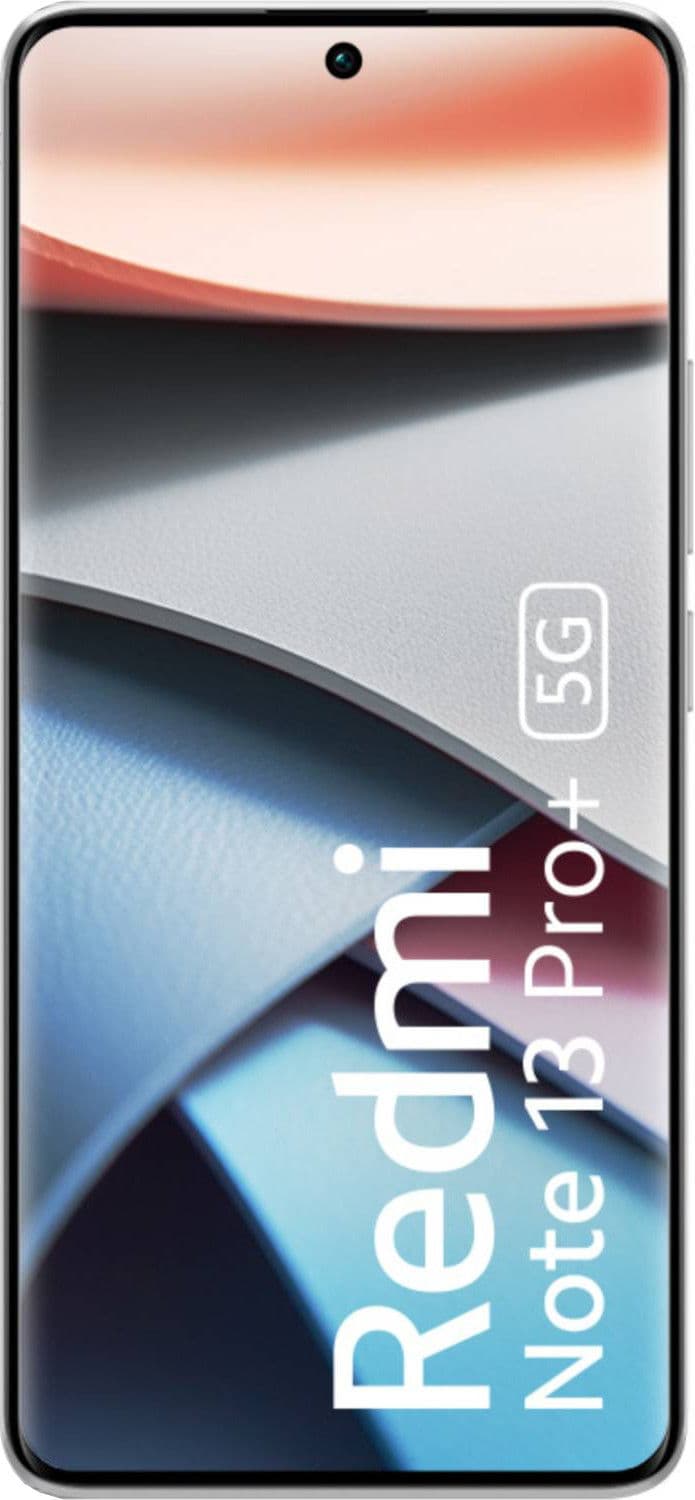
Frequently Asked Questions about Redmi 17C
Common questions on Bangladesh price, warranty, gaming performance, and availability.
No, the Redmi 17C supports up to 4G LTE network technology.
It features a 6.88-inch IPS LCD display with a 120Hz refresh rate.
It comes with a 5160 mAh battery and supports 18W wired Power Delivery (PD) charging.
Yes, it includes a dedicated microSDXC card slot for expandable storage and a 3.5mm audio port.
It is powered by a Mediatek Helio G81 Ultra processor and runs on Android 16 with HyperOS 3.